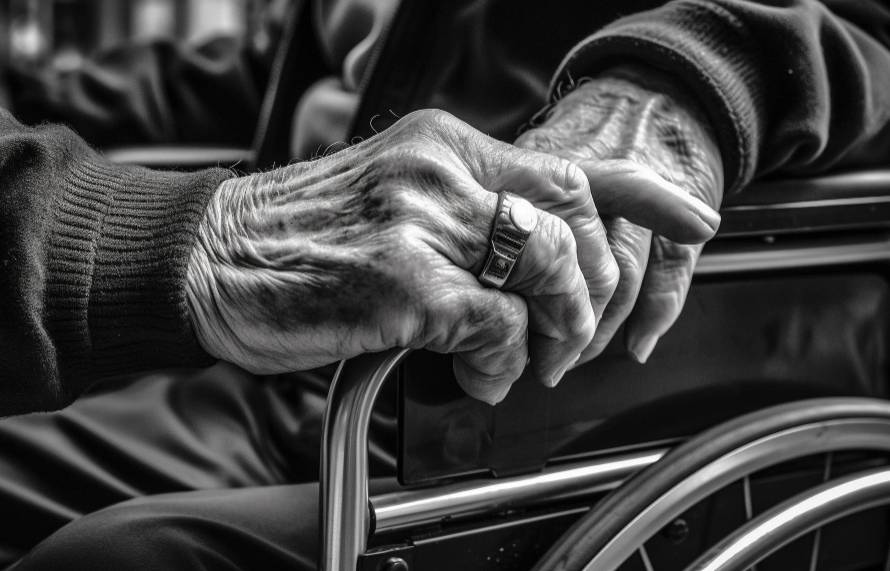
If a loved one passes away at home, it is essential to inform the appropriate authorities. Our experienced team understands the delicate nature of this situation and will assist you in making the necessary arrangements. We will handle all paperwork and logistics meticulously, ensuring that your loved one is treated with the utmost respect and dignity.
PROCEDURE FOLLOWING A DEATH AT HOME
When a loved one passes away at home, it is essential to consider various factors depending on the circumstances surrounding their passing and whether it was expected or unexpected. The actions to be taken may differ based on the time of day.
a. EXPECTED DEATH AT HOME
When the death is anticipated and occurs during the day, it is necessary to promptly contact their GP or the NHS helpline (dial 111). This is particularly relevant if the individual had a terminal illness. During nighttime, if the death was expected, contacting the NHS helpline (dial 111) remains crucial. In the morning, you can then reach out to the GP. It is important to immediately inform the next of kin or close relatives in either situation. If the cause of death is known, the doctor will issue a Medical Certificate of Cause of Death, enabling you to proceed with registering the death. Simultaneously, it is advised to contact a funeral director to arrange for the transfer of the deceased into their care.
b. UNEXPECTED DEATH AT HOME
In the event of an unexpected death, it is imperative to call the Police and Ambulance services immediately by dialing 999. The operator will guide you through the necessary steps, including determining the possibility of resuscitation. Once the paramedics arrive, they will either initiate resuscitation efforts or confirm the occurrence of death. If the cause of death is unknown, it is crucial to leave the area undisturbed, apart from any attempts at resuscitation. The Police will arrange for a funeral director to collect the deceased and ensure their care, acting on behalf of the Coroner in cases of unexpected deaths. If the medical professionals are uncertain about the cause of death, even if it appears to be natural, or if the death was sudden or deemed unnatural, they will contact the coroner (or procurator fiscal in Scotland). The coroner or procurator fiscal may order a post mortem examination or inquest to determine the cause of death and subsequently issue the requisite documentation for registering the death. It is necessary to note that conducting a funeral cannot occur until the completion of the Coroner’sinquest and establishment of the cause of death.